

Introducing interest incomeas a financial foundation for public-benefit organizations
USD interest income generated by U.S. mortgage banking and treasury operations. For educational institutions, public-interest corporations, and foundations — supporting a sustainable financial foundation beyond donations and reserves.
Lifting up Japanese society,through mortgages.
Interest income backed by real U.S. housing demand, brought to Japan's public-benefit organizations. A funding base that does not rise and fall with donations or reserves is what lets education, research, and culture reach the next generation.
Build the funding base itself
Not market prices or market cycles, but mortgages — the loan interest on homes and properties people actually live in. Steady monthly interest income becomes a financial base independent of any single year's balance sheet.
Circulate U.S. interest income into Japan
USD interest income directed into education, research, scholarships, and cultural preservation in Japan — connecting financial infrastructure abroad to the lifting up of Japanese society.
Hand it to the next generation
The ability to carry on the same work ten years from now and thirty years from now. What we design is not a return that swings with a single year's markets, but the long-term foundation the next generation inherits.
Track Record
Figures are retrieved automatically from the Mortgage Treasury pipeline and updated weekly. This page is not a solicitation for any financial product.
As of 2026.09.02 · ¥159/USD
A social implementation of the interest-income model — concept
Consider the funding challenges facing educational institutions — private universities, junior colleges, and vocational schools. When a "university fund" built from donations and internal reserves is combined with interest income from Mortgage Treasury, it creates a sustainable financial foundation insulated from market swings. It reproduces in Japan the endowment model of Harvard and Stanford — strengthening the balance sheet and expanding support for students.
The structural challenges facing educational institutions.
Financial condition of 305 institutions
DistributionSource: Promotion and Mutual Aid Corporation for Private Schools of Japan, “Financial Condition of Private Universities and Junior Colleges” (FY2022). Population: 305 private university and junior-college corporations. Categories are tallied independently and do not sum to the population.
Declining enrollment

The 18-year-old population keeps shrinking while enrollment rates plateau, structurally eroding tuition revenue over the medium to long term.
Rising operating costs

Payroll, facility upkeep, and digital transformation costs rise together, pushing up fixed costs and squeezing the room to fund differentiation.
A weak income base

Donations and reserves exist, but without the base, expertise, and people to generate stable income, institutions absorb market swings and inflation directly. Donations and joint-research funding are volatile, making forward planning difficult.
No financial strategy

Few institutions have the in-house function or talent to grow assets sustainably, leaving them managing year-by-year budgets with no mechanism to absorb the swings.
Turning donations and reserves into a foundation — three flows.

Donations & reserves
Gather donations from alumni, companies, and municipalities, together with accumulated internal reserves, as the fund's principal.


University fund
Entrust funds to Mortgage Treasury and receive monthly interest generated by prime U.S. mortgage loans.

University operations
Channel the monthly interest income into education, research, scholarships, and facility renewal as a permanent funding source.


Precedents: the endowment models of Harvard & Stanford.
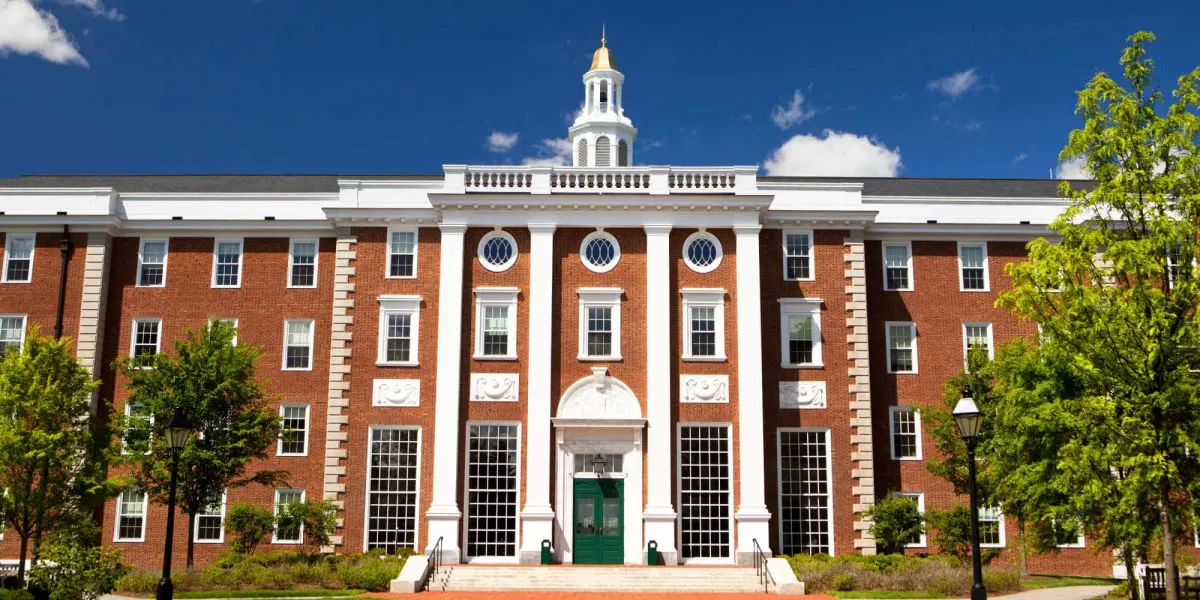

Income from an endowment built up from alumni and foundations consistently funds more than a third of the university's annual budget.
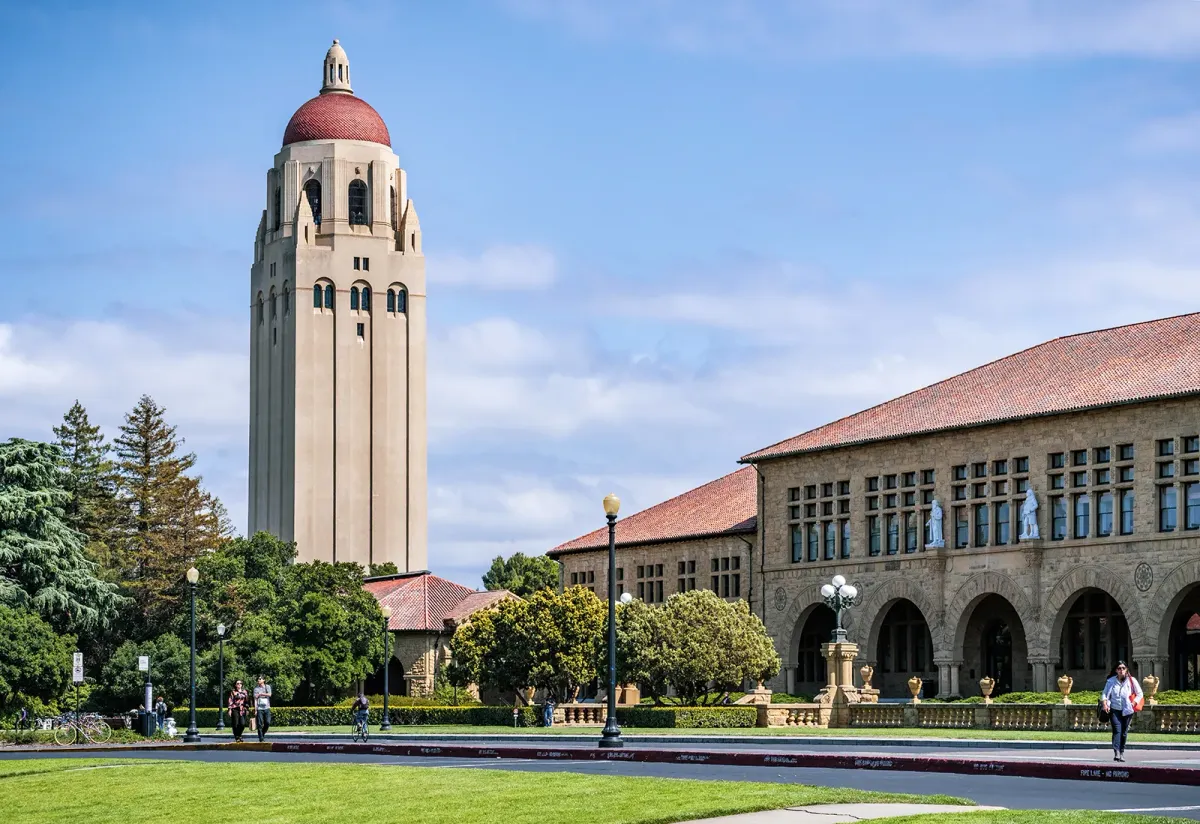

The endowment underpins research and student support over the long term, enabling ambitious funding of advanced research. Endowment-derived spending grows year by year.
Source: each university's published Annual Report (FY24). Converted at 1 USD = 159 JPY.
A university financial foundation unshaken by market swings.
A permanent income stream that keeps delivering education, research, and scholarships to the future — without depending on donations and reserves that fluctuate year to year. This is how Mortgage Treasury's model underpins Japan's educational institutions.
* This section is a conceptual illustration of a social-implementation approach and does not guarantee specific terms, yields, or tax treatment. Implementation proceeds in individual consultation with each institution, its tax advisors, and relevant parties.
Supporting Japan, on the ground.
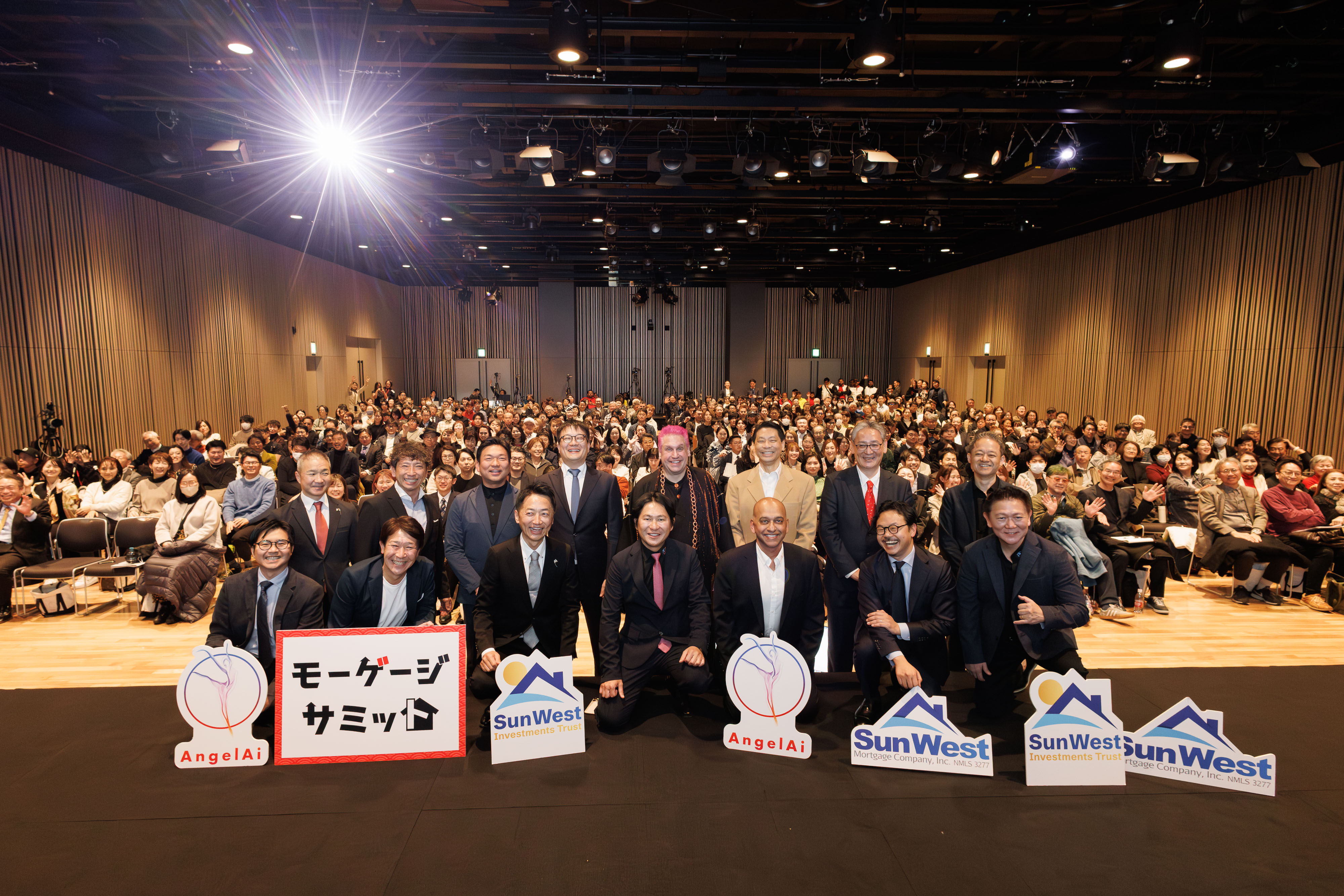
Group initiatives across education, sports, and cultural tradition.


Local Festival Support
Passing Japan's festival culture to the next generation. A long-term support framework is in preparation.
Coming SoonU.S. mortgages —stable interest income, secured by collateral.
The Mortgage Treasury group generates USD interest income through U.S. mortgage banking and treasury operations — originating and holding mortgage loans and collecting the promised interest.




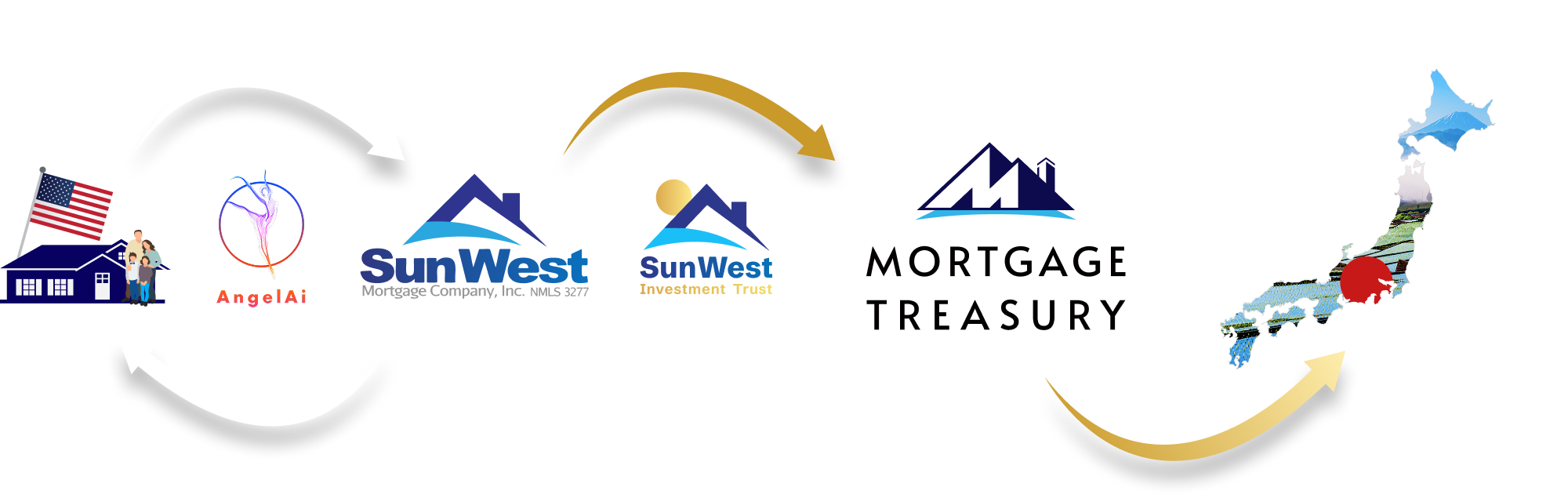
See the group's main site for full details.
Business details (mortgage-treasury.com)From the frontline of banking,to foundations for public-benefit organizations.
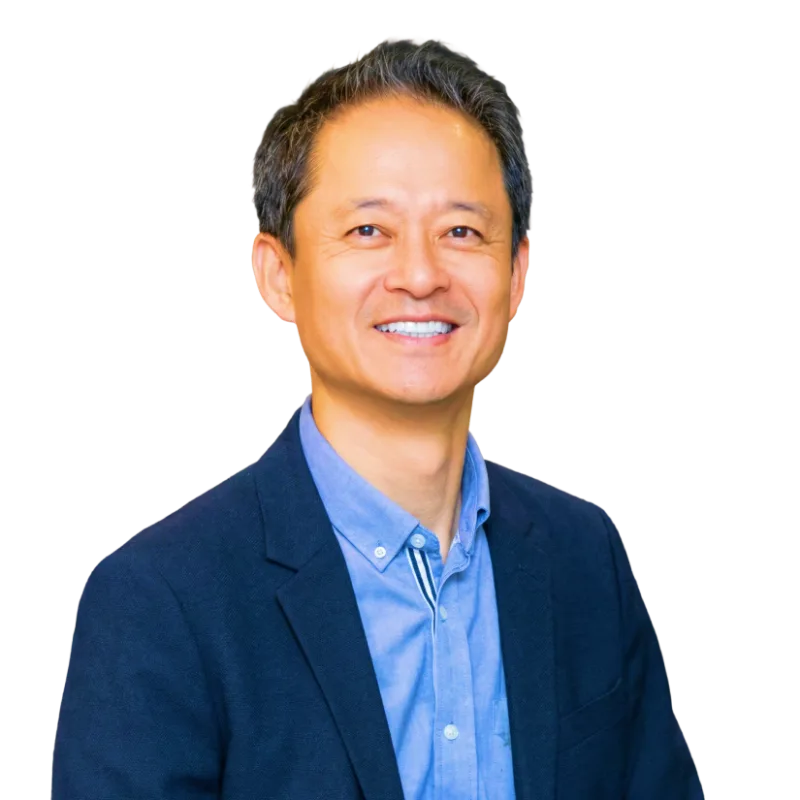
A former MUFG banker with long experience in corporate finance, real-estate finance, and financial structuring, including the launch and formation of J-REITs. He examined the mortgage business independently from the ground up — on-site verification in Los Angeles and dialogue with the founding team — before joining, convinced it builds financial structure from the field itself.
A public-benefit organization's finances are its responsibility to the next generation. Beyond donations and reserves, we bring the option of interest income backed by real housing demand to Japan's institutions — with the discipline of a career banker, one organization at a time.

The 4th Governor of Hawaiʻi from 1986 to 1994 and the first Native Hawaiian to hold the office, he led institutional reform across state infrastructure, education, and indigenous rights. An attorney and public-policy practitioner with decades of experience designing equitable institutions, he became CEO at the founding of Mortgage Treasury LLC in September 2024.
I have lived seventy-nine years in Hawaiʻi. As governor, and as an activist, I arrived at one truth — your country is yours. In the 1980s, Japan enriched Hawaiʻi by taking the long view, dealing honestly, and respecting Hawaiian culture. Now it is America's turn to enrich Japan.
Company
- Company
- MORTGAGE TREASURY PRIME LLC
- Address
- 345 Queen Street, Suite 909, Honolulu, HI 96813, USA
- Representative
- Keisuke Yokota
- Core Business
- Supporting public-benefit organizations in adopting an interest-income model built on U.S. mortgage banking and treasury operations
- Group
- Mortgage Treasury LLC / Sun West Investment Trust
- Contact
Group Companies
MORTGAGE TREASURY PRIME LLC serves institutions as a member of the Mortgage Treasury group.

Financial foundations for public-interestcorporations and foundations, with Mortgage Treasury Prime.
For consultations and materials, please feel free to contact us by email.